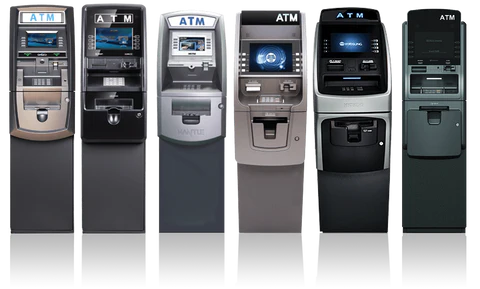
ATM Machine Investing in 2026: The “Boring” Cash Flow Business (Real NOI & Costs)
Let me guess. You probably haven’t carried a physical physical dollar bill since 2019, so you’re wondering: “Who on earth still uses ATMs?”
It’s a fair question. But while the tech world obsesses over digital wallets and crypto, a quiet group of investors is steadily collecting $3.00 at a time, building massive cash-flowing portfolios out of “boring” metal boxes.
Despite the “cash is dead” narrative, physical currency usage remains fiercely persistent in specific pockets of the economy—dive bars, local convenience stores, cash-only food trucks, and dispensaries.
Investing in an ATM route isn’t about owning a machine. It’s about owning the real estate of a transaction.
Here is the brutally honest, fully verified guide to ATM machine investing in 2026. No “get rich quick” fluff—just real Net Operating Income (NOI) projections, verified startup costs, and the truth about whether this is actually passive.

The Business Model: How You Actually Make Money
You are acting as an Independent ATM Deployer (IAD). When someone uses your machine, they agree to a convenience fee (surcharge).
- The customer pays a $3.00 to $4.50 surcharge.
- The transaction routes through a banking network (via your processor).
- You split a percentage of that fee with the store owner (usually 20-30% goes to the store).
- The rest is your gross profit.
You don’t earn interest. You earn pure transaction-based cash flow.
Verified Startup Costs (2026)
Starting an ATM business is surprisingly accessible, but you need liquid capital for both the equipment and the “vault cash” (the money sitting inside the machine).
| Item | Estimated Cost (USD) | Details |
|---|---|---|
| New ATM Machine | $2,500 – $3,500 | Genmega or Hyosung (Must be EMV/Chip compliant) |
| Installation & Programming | $300 – $500 | Bolting to the floor and network setup |
| Vault Cash (The Float) | $2,000 – $5,000 | Your own money inside the machine |
| Misc (LLC, Insurance, Router) | $400 | Wireless router and basic liability insurance |
Total Initial Capital Required: ~$6,500 per location.
Real NOI (Net Operating Income) Projections: 4 Scenarios
If you watch TikTok gurus, they’ll tell you an ATM makes $2,000 a month. That is a lie. Here is what realistic NOI scenarios look like in 2026 based on verified operator data, from a single dud location up to a stabilized mini-portfolio.
1. The “Dud” Location (Worst-Case)
Think: A slow laundromat or a cafe where 95% of people use Apple Pay.
- Transactions: 50 per month
- Surcharge: $3.00
- Gross Revenue: $150 / month
- Store Owner Cut (20%): -$30
- Processing Fees: -$10
- Your Net Profit: ~$110 / month
Payback Period: ~59 months (Action: Pull the machine and move it to a better location!)
2. The “Average” Location (Base Case)
Think: A quiet neighborhood convenience store or small barbershop.
- Transactions: 150 per month
- Surcharge: $3.50
- Gross Revenue: $525 / month
- Store Owner Cut (25%): -$131
- Processing Fees: -$30
- Your Net Profit: ~$364 / month
Payback Period: ~18 months
3. The “Unicorn” Location (Best Case)
Think: A busy downtown dive bar, a cash-only ethnic market, or a cannabis dispensary (U.S.).
- Transactions: 400 per month
- Surcharge: $4.00
- Gross Revenue: $1,600 / month
- Store Owner Cut (30%): -$480
- Processing Fees: -$80
- Your Net Profit: ~$1,040 / month
Payback Period: ~6 months
4. The “Mini-Portfolio” Scenario (5 Machines)
Think: You have successfully scaled to 5 machines (1 Unicorn, 3 Average, 1 Dud). Total Capital Deployed: ~$32,500.
- Total Transactions: ~900 per month
- Gross Monthly Revenue: ~$3,175
- Store Cuts & Fees: ~$984
- Gas/Time/Misc Maintenance: -$150
- Portfolio Net Profit: ~$2,041 / month (~$24,492 / year)
Cash-on-Cash Return: ~75% annually once stabilized.
Real-World Case Studies: The Good, The Bad, and The Scams
Before you jump in, look at these documented real-world examples of how ATM investing actually plays out.

🟢 Success Case: Scaling a 30-Machine Route (Paul Alex)
The Story: Paul Alex, a former law enforcement officer, started his ATM business as a side hustle. He placed his first few machines in local nail salons and barbershops. By aggressively reinvesting his initial profits rather than taking a salary, he scaled his route to 30 machines within 18 months, generating over $10,000 in monthly net profit. He focused heavily on building relationships with store owners in cash-preferred, working-class neighborhoods.
The Takeaway: Success in ATMs is a compounding game. Start small, validate the location, and use the cash flow from machine #1 to buy machine #2.
Source: [UpFlip / Starter Story Case Studies]
🔴 Failure Case: The “Turnkey” Route Scam
The Story: A common trap documented widely in entrepreneur communities. An investor purchased an “established, 100% passive” 4-machine ATM route from an online business broker for $35,000. The broker promised $1,500/month in net income. The reality? The broker had placed the machines in dying, low-traffic cafes just weeks prior to fake the route’s existence. Once purchased, the transactions averaged less than 15 per month. Two locations closed down shortly after, leaving the investor with heavy metal boxes and a massive financial loss.
The Takeaway: Never buy an existing route without demanding 12 to 24 months of verified processing statements directly from the payment processor. If someone sells you a “passive” route, be highly suspicious.
Step-by-Step: How to Launch Your Route
- Form an Entity: Set up an LLC and get a dedicated business bank account. (Fact check: Banks famously hate ATMs due to money laundering regulations. You will likely need to pitch your business to a regional bank or credit union to get approved).
- Sign the Contract: Find a high-traffic, cash-heavy location. Sign a 1-to-3-year exclusive right-to-operate agreement. Never install a machine without a signed contract.
- Buy & Program: Purchase a Genmega or Hyosung machine and connect it to a processor (like PAI or Columbus Data).
- Load the Cash: You physically load your $3,000 float into the machine. When customers withdraw cash, the processor deposits that money (plus the surcharge) back into your bank account the next business day.
The Ugly Truth: Risks & Realities
- It is NOT 100% Passive: This is a “semi-passive micro-business.” If the machine jams, or runs out of $20 bills on a Friday night, you have to drive there to fix it.
- Theft Risk: ATMs get stolen. It’s rare, but thieves do chain them to pickup trucks. You must bolt the machine into concrete and carry insurance.
- The Canada vs. U.S. Divide:
- U.S. Market: The holy grail for ATM operators. High surcharges, massive unbanked/cash-preferred populations, and favorable regulations.
- Canadian Market: Brutal for beginners. Canada’s Interac system dominates, and Canadians are highly accustomed to tap-to-pay. Surcharges are heavily restricted, and transaction volumes are significantly lower than in the U.S.
The Bottom Line
ATM investing isn’t glamorous. You won’t impress anyone at a dinner party by saying you restock a metal box next to a bathroom in a dive bar.
But if you want a reliable, transaction-based cash flow business that yields 30-50% cash-on-cash returns once stabilized, it remains one of the best “boring” investments of 2026.
If you have been interested in alternative or small investment, you will love these posts as well.

Whiskey Cask Investing in 2026: Returns, Real Case Studies, Risks & How to Start
Discover how whiskey cask investing works, realistic return expectations, verified success cases, trusted platforms, and key risks before investing in Scotch barrels.

How to Invest in Fine Wine in 2026: Fractional Platforms vs. Direct Ownership
Learn how wine investing works in 2026 with verified case studies (Liv-ex), realistic returns, key risks, and the best platforms like Vint and Vinovest for beginners.

REIT vs Crowdfunding Returns Comparison (2026 Update)
Which Real Estate Investment Actually Delivers Better Returns? If you’re researching real estate investing in 2026, you’ve likely asked: Should I invest in REITs or real estate crowdfunding? Both offer passive real estate exposure.Both eliminate landlord headaches.Both are accessible to everyday investors. But the return structure — and risk profile — are fundamentally different. Let’s…

Music Royalty Investing: Realistic Returns, Hidden Risks, and Whether It’s Worth It
Music royalty investing sounds almost too simple. Buy rights to songs.Collect income when people stream them.Repeat. But once the excitement fades, serious investors ask better questions: Let’s break this down properly. What You’re Really Buying When you invest in music royalties, you are typically purchasing rights to income generated from: There are two primary types…
Leave a Reply