Which Real Estate Investment Actually Delivers Better Returns?
If you’re researching real estate investing in 2026, you’ve likely asked:
Should I invest in REITs or real estate crowdfunding?
Both offer passive real estate exposure.
Both eliminate landlord headaches.
Both are accessible to everyday investors.
But the return structure — and risk profile — are fundamentally different.
Let’s break it down clearly and realistically.
What is a REIT?

A Real Estate Investment Trust (REIT) is a company that owns or finances income-producing real estate.
Most investors access REITs through:
- Publicly traded REIT stocks
- REIT ETFs
- Non-traded private REITs
Public REITs trade on stock exchanges. That means:
- You can buy or sell daily
- Prices fluctuate with the stock market
- Returns include dividends + price appreciation
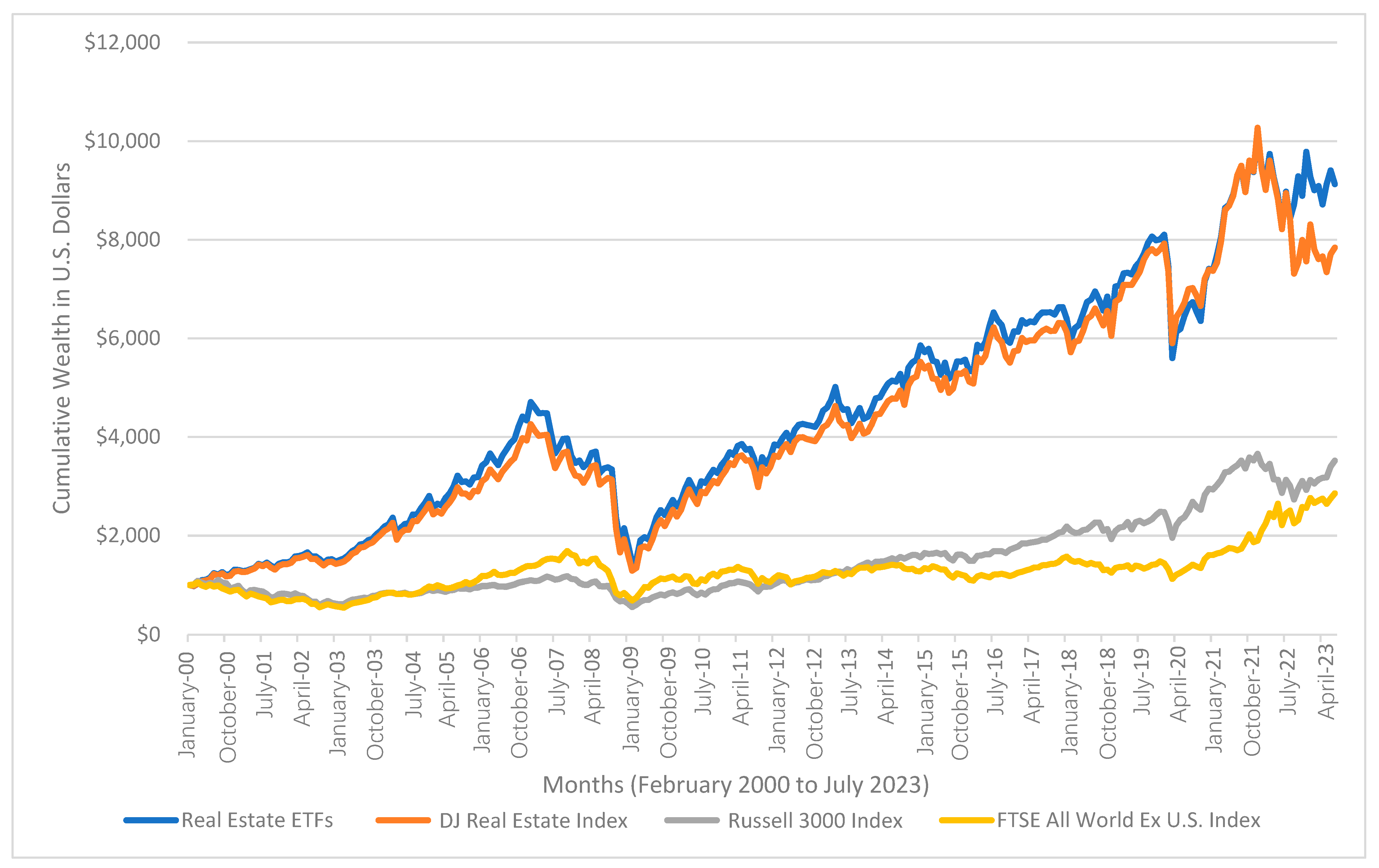
Historically, broad U.S. REIT indices have produced long-term annualized returns in the high single digits to low double digits over multi-decade periods — though performance varies by cycle.
Liquidity is the major advantage.
What Is Real Estate Crowdfunding?


Crowdfunding platforms pool investor capital into:
- Rental homes
- Multifamily properties
- Commercial developments
- Real estate-backed loans
Instead of trading on an exchange, you invest directly into specific projects or diversified private funds.
Key characteristics:
- Multi-year holding periods (often 3–7 years)
- Limited liquidity
- Returns based on property performance
Crowdfunding returns are typically presented as target returns, not guaranteed outcomes.
Returns Comparison (Realistic 2026 Ranges)
Below are commonly reported long-term or target ranges (not guarantees):
| Investment Type | Typical Annual Return Range | Liquidity | Volatility Visibility |
|---|---|---|---|
| Public REITs | ~7–11% long-term average | Daily | High |
| REIT ETFs | ~6–10% | Daily | High |
| Private REITs | ~6–9% | Limited | Lower |
| Crowdfunding (Equity) | ~8–15% target | Low | Moderate |
| Crowdfunding (Debt) | ~7–12% target | Medium | Lower |
Important distinction:
- REIT returns reflect real-time market pricing.
- Crowdfunding valuations update less frequently.
Lower visible volatility does not mean lower risk — it means less frequent price discovery.
Why REITs Can Look More Volatile
Public REIT prices move with market sentiment.
Even if rental income remains stable, share prices can drop during broader equity selloffs.
That creates short-term volatility.
However, over longer periods (10+ years), REITs have historically delivered competitive total returns compared to broad equity markets.
Liquidity allows:
- Portfolio rebalancing
- Immediate exit
- Tactical adjustments
Why Crowdfunding Deals Advertise Higher Returns
Crowdfunding equity deals often involve:
- Value-add renovations
- Development projects
- Strategic use of leverage
- Multi-year capital lockups
Because capital is illiquid, expected returns are higher to compensate for:
- Execution risk
- Market cycle risk
- Illiquidity
Debt-based crowdfunding tends to offer lower but more predictable returns.
But higher projected return always comes with higher uncertainty.
Hypothetical 5-Year Illustration ($10,000 Investment)
Scenario A: REIT ETF at 8% average annual return
After 5 years: ~$14,693
Scenario B: Crowdfunding equity deal at 12% average annual return
After 5 years: ~$17,623
Difference: ~$2,930
However, if the project underperforms at 6%:
After 5 years: ~$13,382
Now the REIT outperforms.
This illustrates the tradeoff:
Higher potential upside vs liquidity and historical reliability.
Tax Considerations (General Overview)
U.S. investors:
- REIT dividends are generally taxed as ordinary income (with possible QBI deduction eligibility).
- Crowdfunding debt income is taxed as interest.
- Equity deals may issue K-1 forms and may include depreciation allocations.
Tax outcomes depend on individual circumstances.
Which Is Better for Beginners?
If you value:
- Simplicity
- Liquidity
- Transparent pricing
REIT ETFs are often a straightforward starting point.
If you value:
- Targeted deal exposure
- Higher potential yields
- Less daily price movement
Crowdfunding may align better.
A Balanced 2026 Strategy
Instead of choosing one:
- Core allocation in diversified REIT ETF
- Smaller allocation in select crowdfunding deals
This approach blends:
- Liquidity
- Yield potential
- Diversification
- Risk management
Final Verdict
REITs offer:
- Liquidity
- Market transparency
- Historically competitive long-term returns
Crowdfunding offers:
- Project-specific exposure
- Higher return targets
- Illiquidity risk
Neither is universally superior.
The better choice depends on:
- Time horizon
- Liquidity needs
- Risk tolerance
- Portfolio size
In 2026, sophisticated investors often use both — intentionally.
If you’d like next, we can expand into:
- REIT ETF vs Fundrise detailed breakdown
- Canada-specific tax implications
- Best strategy under $5,000
- Volatility modeling over 10 years
Leave a Reply