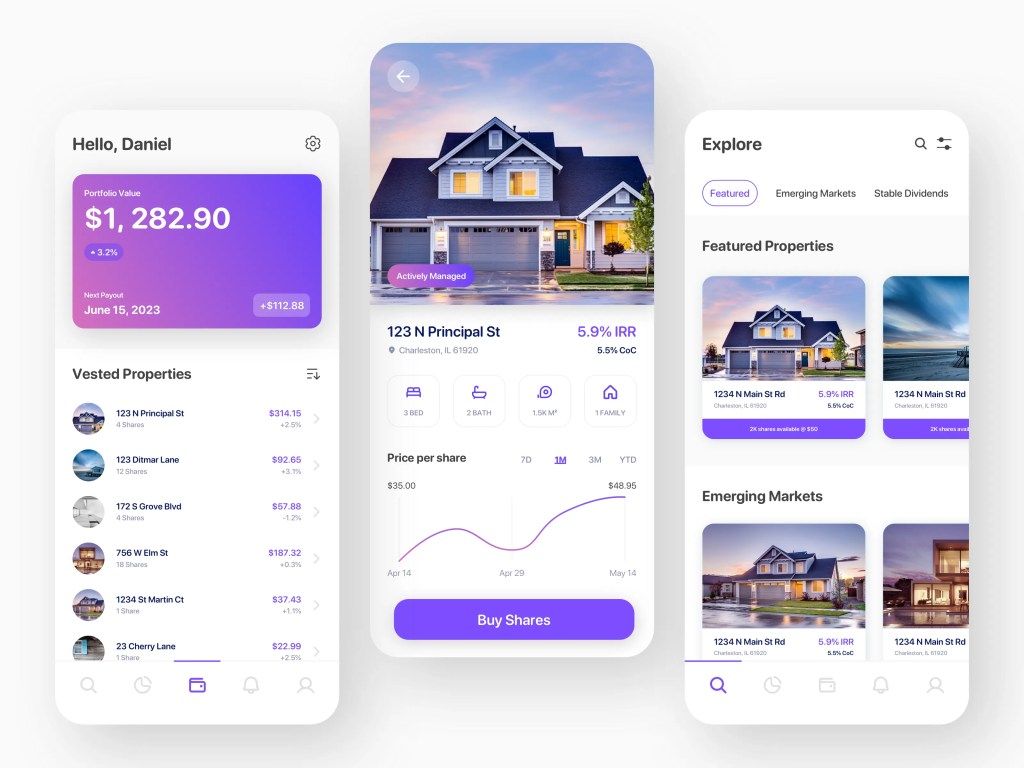
How to Start Investing in Real Estate With $10–$1,000 (Even If You Don’t Own Property)
Let’s start with the truth.
Most people don’t avoid real estate investing because they don’t believe in it.
They avoid it because it feels out of reach.
You want rental income.
You want appreciation.
You want to own assets that grow while you sleep.
But then you look at reality:
- Down payments are $30,000 or more
- Mortgage approvals require strong income and credit
- Property taxes keep rising
- Tenants, repairs, vacancies — all real risks
So the story becomes:
“I’ll invest in real estate one day… when I have more money.”
In 2026, that “one day” doesn’t have to be years away.
Real estate crowdfunding has changed the entry barrier.
You no longer need to buy an entire property.
You can invest in fractional shares of rental homes, commercial projects, or diversified real estate portfolios — sometimes starting at just $10 to $100.
No mortgage.
No tenant calls.
No property management stress.
This isn’t a shortcut to overnight wealth.
It’s a way to start participating in real estate growth — even with limited capital.
Below, we break down the best real estate crowdfunding platforms in 2026, ranked by accessibility, returns, risk profile, and liquidity.
Quick Comparison Table (2026)
| Platform | Minimum Investment | Target Returns | Investor Type | Liquidity |
|---|---|---|---|---|
| Fundrise | $10 | 6–10% | Non-accredited | Limited quarterly |
| Arrived | $100 | 5–9% | Non-accredited | Low |
| RealtyMogul | $5,000 | 8–12% | Mixed | Moderate |
| CrowdStreet | $25,000 | 12%+ | Accredited only | Low |
| Groundfloor | $100 | 8–12% | Non-accredited | Short-term notes |
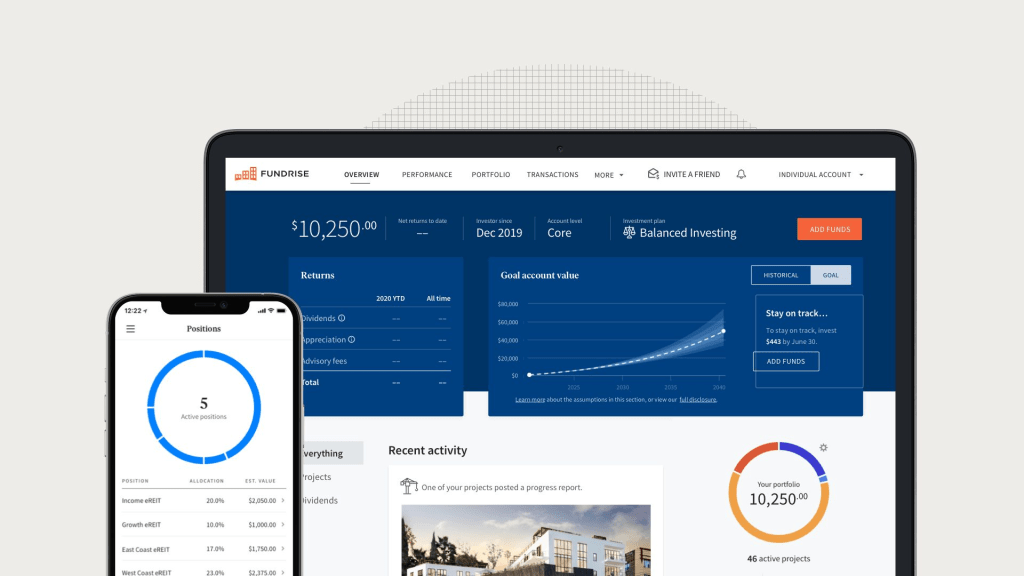
1. Fundrise – Best Overall for Beginners
If you’re starting with under $1,000, Fundrise is often the easiest entry point.
It offers diversified eREIT portfolios that pool money across multiple properties. That reduces single-property risk and makes it beginner-friendly.
Why it stands out in 2026:
- Extremely low minimum investment
- Automated portfolio management
- Long track record of performance
- Easy reinvestment options
Fundrise works well for investors who want slow, steady exposure to real estate without picking individual deals.
(Official site: https://fundrise.com)
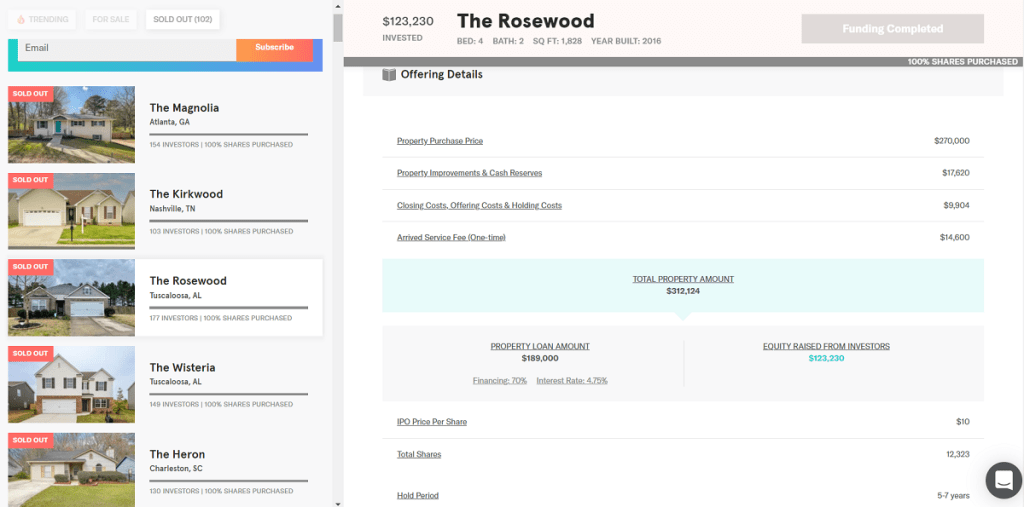
2. Arrived – Best for Rental Property Exposure
Arrived allows you to buy fractional ownership in single-family rental homes.
Instead of owning a whole property, you own shares of one. Rental income is distributed quarterly.
Best for:
- Investors who like the idea of rental income
- Those who want transparency about specific properties
The trade-off? Liquidity is limited until the property is sold.
(Official site: https://arrived.com)
3. RealtyMogul – Best for Growth and Diversification
RealtyMogul offers both REIT-style investments and individual commercial property deals.
With a higher minimum investment, it attracts more serious investors seeking stronger growth potential.
If you have $5,000 or more and want more curated opportunities, this platform offers flexibility.
(Official site: https://realtymogul.com)
4. CrowdStreet – Best for Accredited Investors
CrowdStreet focuses on direct commercial real estate investments.
Because it requires accredited investor status, the opportunities tend to be larger-scale — including office buildings, multifamily complexes, and development projects.
Potential returns can be higher, but risk and illiquidity increase as well.
(Official site: https://crowdstreet.com)

5. Groundfloor – Best for Short-Term Real Estate Debt
Groundfloor focuses on short-term real estate-backed loans.
Instead of owning equity, you’re lending to property projects and earning interest.
Typical holding periods are 6–12 months, which makes it more flexible compared to multi-year equity investments.
(Official site: https://groundfloor.com)
What Returns Can You Expect in 2026?
While returns vary based on market conditions and deal type:
- Diversified eREIT portfolios: 6–10% annually
- Rental-focused equity deals: 5–9%
- Real estate-backed debt notes: 8–12%
- Commercial equity deals: 10–15% potential (higher risk)
Remember: higher returns generally mean higher risk and longer holding periods.
Is Real Estate Crowdfunding Safe?
It’s safer than owning a single rental property in some ways — because diversification reduces concentration risk.
But risks still exist:
- Market downturns
- Platform failure
- Illiquidity
- Project underperformance
The key is not to put all your capital into one deal or one platform.
Who Should Consider It?
Real estate crowdfunding makes sense if:
- You don’t qualify for a mortgage yet
- You want real estate exposure without landlord responsibilities
- You already invest in stocks and want diversification
- You have $500–$5,000 and want to start building asset exposure
It may not be ideal if you need immediate liquidity or guaranteed income.
A Smarter Beginner Strategy (Example)
Instead of putting $5,000 into one property:
- $2,000 into a diversified platform (like Fundrise)
- $1,500 into rental shares (Arrived)
- $1,000 into short-term debt (Groundfloor)
- $500 reserved for future opportunities
Diversification across strategies smooths volatility and reduces risk concentration.
Final Thoughts: You Don’t Need to Own a House to Invest in Real Estate
The biggest mental barrier in real estate investing isn’t money.
It’s the belief that you need a large amount of it to begin.
In 2026, that belief is outdated.
You can start small.
You can diversify.
You can build exposure gradually.
Real estate crowdfunding won’t replace traditional ownership for everyone.
But it opens the door for people who thought the market was closed to them.
And sometimes, starting small is the most powerful move you can make.
 3H LIFE - INVESTMENT & NOMAD
Leave a comment