A Practical Step-by-Step Plan for U.S. and Canadian Investors
If you have $500 and want to start investing in real estate, you’re not alone.
You’ve probably seen:
- Rental income stories
- Passive cash flow examples
- Crowdfunding platforms advertising 8–12% projected returns
But here’s the reality:
$500 won’t buy you property.
It won’t replace your salary.
It won’t generate meaningful monthly income.
What it can do is give you structured exposure to income-producing real estate — without taking on mortgage risk.
Let’s walk through exactly how to do it responsibly.
Step 1: Understand What $500 Is For
With $500, your objective is:
- Learning how real estate investing works
- Gaining diversified exposure
- Avoiding concentrated risk
- Building confidence before scaling
Micro investing is about access — not control.
Step 2: Choose the Right Structure
With $500, beginners in North America typically have three realistic paths.
1. Public REIT ETF (High Liquidity Option)
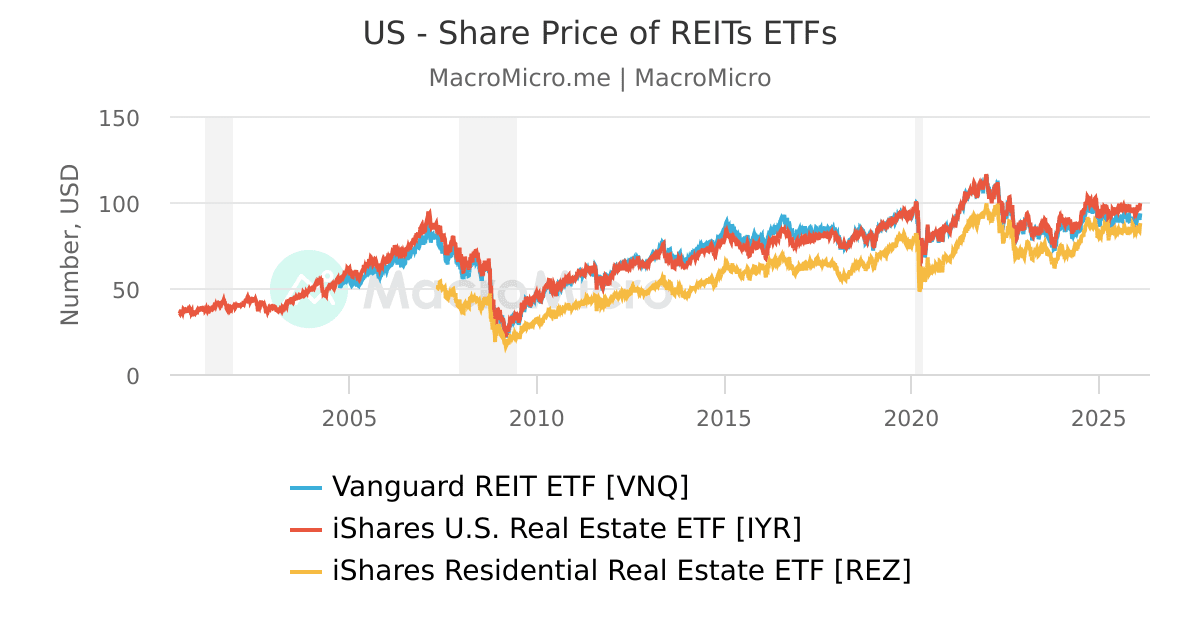
Public REIT ETFs:
- Trade like stocks
- Require very low minimum capital
- Offer sector diversification (residential, industrial, healthcare, etc.)
- Provide dividend income (not guaranteed)
Typical long-term historical return ranges for diversified REIT exposure have generally fallen in the high single digits over long periods, though performance varies by market cycle.
Best for: Beginners who want simplicity and liquidity.
2. Real Estate Crowdfunding (Debt-Focused Deals)
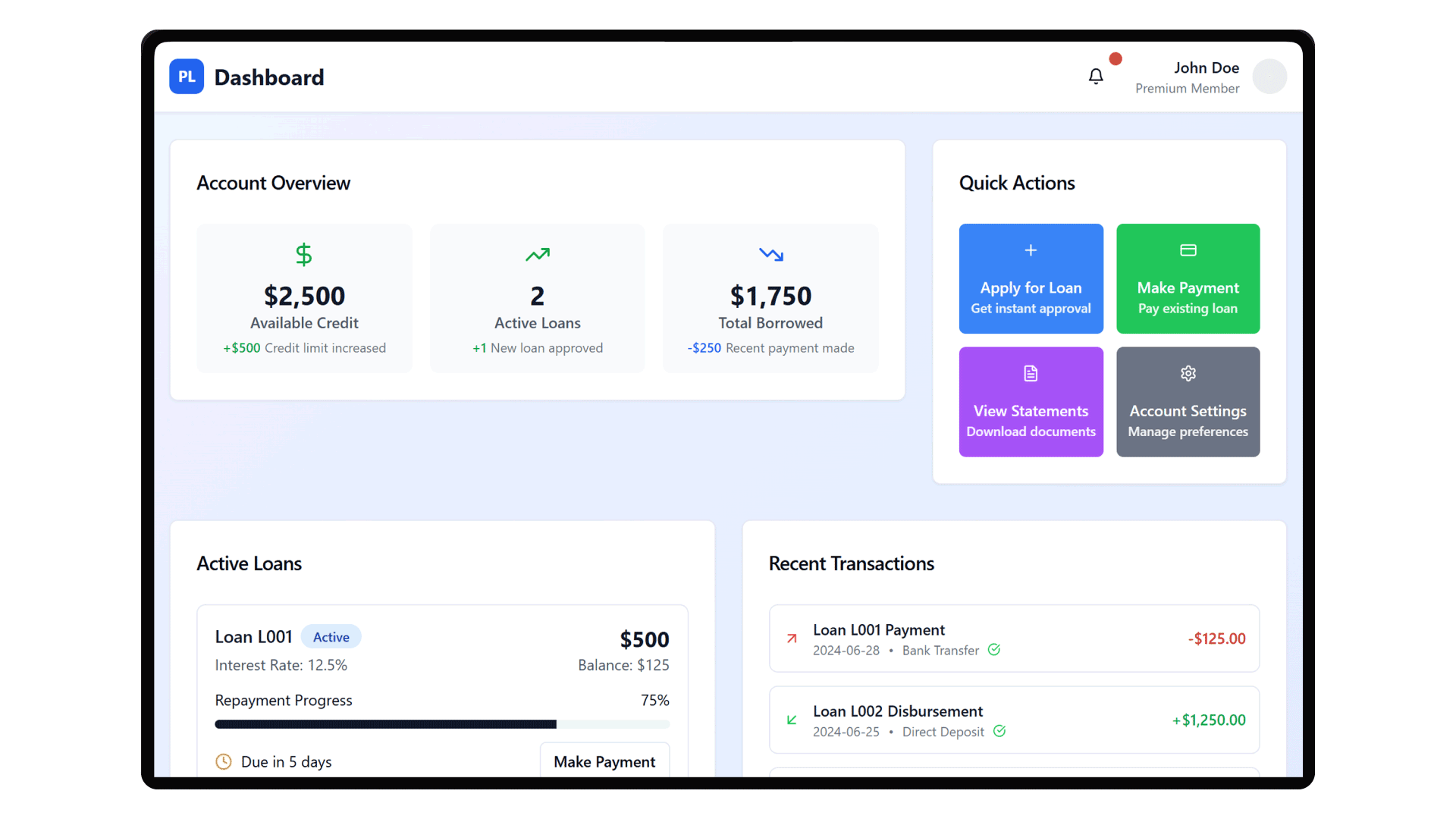
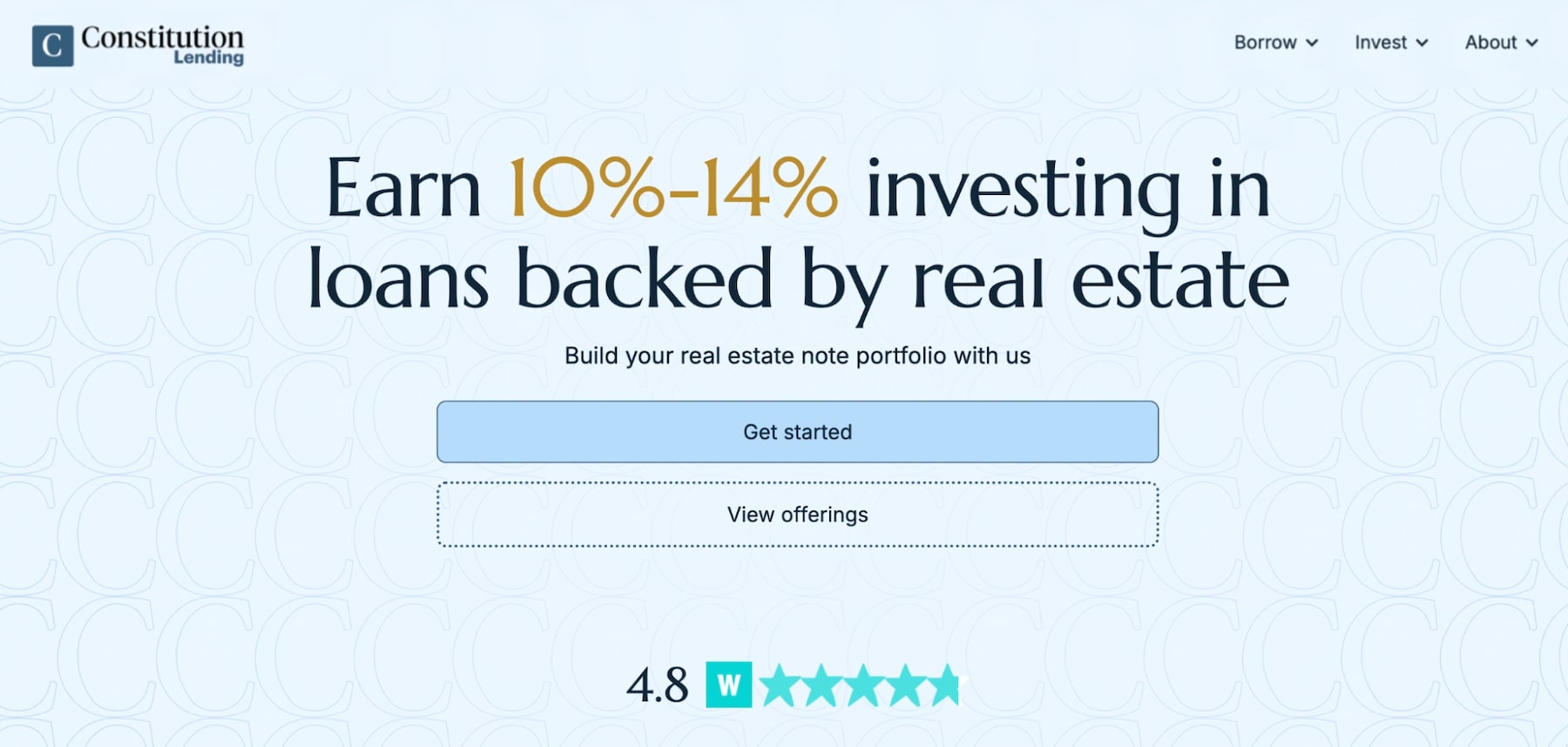

Debt-focused crowdfunding deals:
- Fund short-term real estate loans
- Target yields often range ~7–12% (not guaranteed)
- Usually shorter duration than equity projects
Because these are loan-based, risk is often tied to borrower performance and property collateral value.
Best for: Investors comfortable with limited liquidity and moderate risk.
3. Fractional Rental Equity
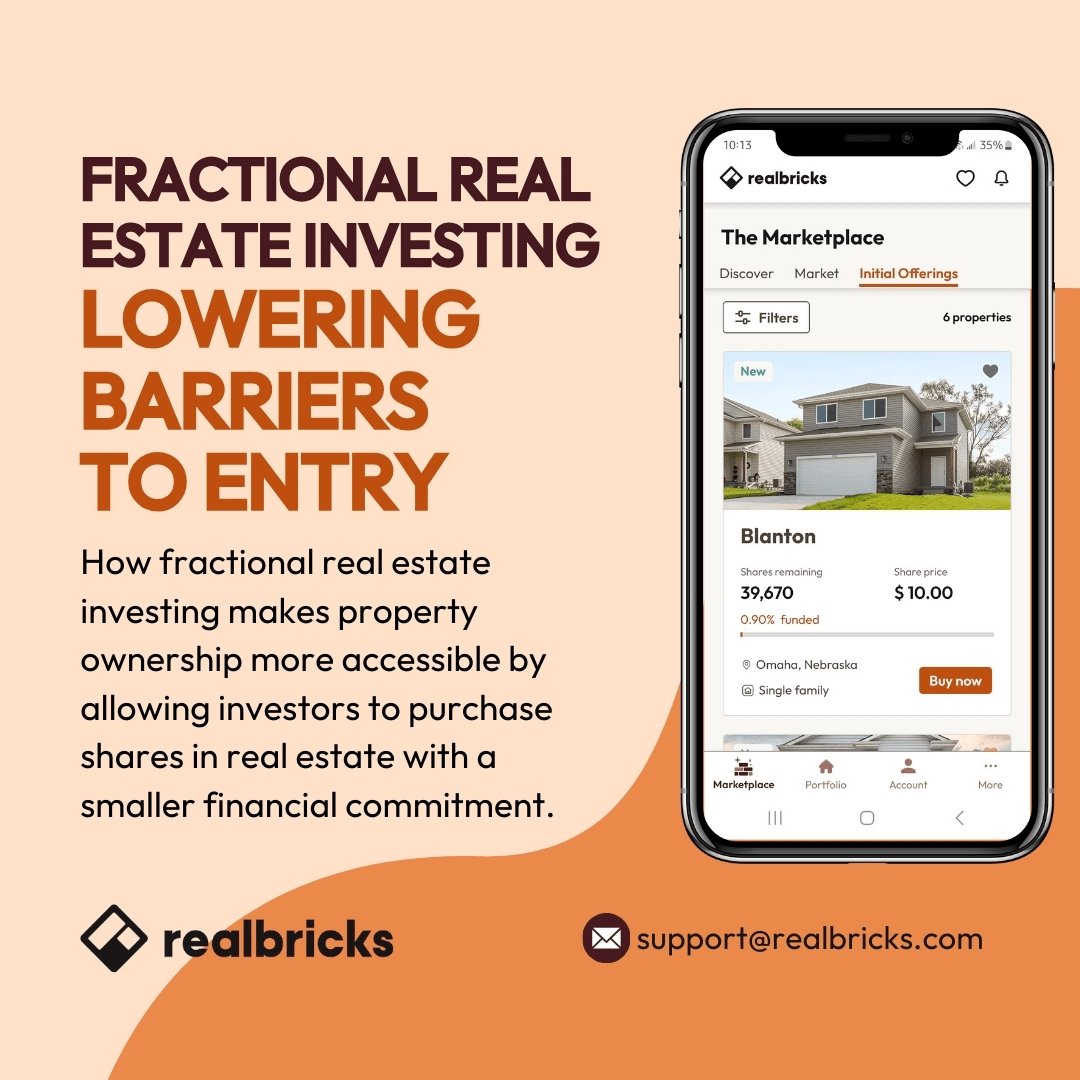

Fractional equity investing allows you to:
- Own shares in rental properties
- Receive proportional rental distributions
- Participate in potential appreciation
Holding periods are often 3–7 years.
Liquidity is limited.
Best for: Investors seeking rental exposure without landlord responsibilities.
Step 3: Smart $500 Allocation Strategy
Putting all $500 into one deal increases outcome risk.
A more balanced beginner structure might look like:
- $250 → Diversified REIT ETF
- $150 → Real estate-backed debt crowdfunding
- $100 → Stabilized rental equity deal
This structure provides:
- Liquidity
- Yield exposure
- Property participation
- Risk spreading
Diversification matters more when capital is small.
Step 4: How to Filter Crowdfunding Platforms Safely
This step is critical.
Before investing even $100, evaluate:
✔ Regulatory Status
- U.S.: Are offerings filed under SEC exemptions?
- Are offering documents accessible?
✔ Transparent Performance Data
- Do they show both successful and underperforming projects?
- Are historical returns clearly disclosed?
✔ Fee Structure
- Management fees
- Acquisition/disposition fees
- Platform servicing fees
Small capital can be heavily affected by layered fees.
✔ Risk Disclosure
Reputable platforms clearly explain:
- Market risk
- Construction risk
- Leverage exposure
- Exit timing risk
🚩 Red Flags
Avoid platforms that:
- Promise guaranteed returns
- Emphasize marketing over documentation
- Lack audited reporting
- Provide vague project summaries
In micro investing, capital preservation is more important than chasing the highest advertised IRR.
Step 5: Realistic Growth Expectation
If your $500 averages 7–9% annually:
After 5 years, that becomes roughly $700–$770 before taxes.
Not dramatic.
But it accomplishes:
- Exposure to real estate income
- Portfolio diversification
- Education through real capital participation
Micro investing builds habit and structure.
Step 6: Scaling Plan
Once comfortable:
- Add $100–$200 quarterly
- Increase diversification gradually
- Avoid overexposure to illiquid deals
Consistency matters more than initial capital size.
U.S. vs Canada Considerations
U.S. Investors:
- Some platforms require accredited status
- Tax reporting may involve 1099 or K-1 forms
Canadian Investors:
- Some U.S. platforms may restrict participation
- Currency risk applies
- TSX-listed REIT ETFs may offer simpler domestic access
Always confirm eligibility before funding.
Final Answer: Is $500 Enough?
Yes — if your goal is structured exposure and disciplined growth.
No — if you expect immediate passive income.
Micro real estate investing works best when:
- You diversify
- You understand liquidity limits
- You scale gradually
- You filter platforms carefully
$500 won’t change your life overnight.
But it can change how you build wealth long term.
Start structured.
Stay patient.
Scale intelligently.
If you’d like next:
- Best small-cap crowdfunding platforms (2026 breakdown)
- $500 vs $5,000 long-term modeling
- Risk-adjusted comparison across micro strategies
- Step-by-step account setup walkthrough
 3H LIFE - INVESTMENT & NOMAD
Leave a comment