
How to Start Building Real Estate Cash Flow Without Owning Property
Most beginners think passive real estate income means one thing:
Buy a rental property.
Collect rent.
Repeat.
But when they look closer, they see:
- Large down payments
- Mortgage qualification requirements
- Property taxes and insurance
- Maintenance costs
- Vacancy risk
So they assume real estate income is only for people with large capital.
That’s no longer true.
In 2026, there are multiple ways beginners can start building passive real estate income — with different levels of capital, involvement, and risk.
This guide breaks down what’s realistic, what’s not, and how beginners can start responsibly.
What “Passive” Really Means in Real Estate

Passive does not mean “zero effort.”
It usually means:
- No daily management
- Limited operational responsibility
- Income generated by owned assets
There are different degrees of passivity.
Owning a rental property yourself is semi-passive.
Investing in a REIT or crowdfunding deal is more passive.
Understanding this spectrum is important before you invest.
5 Realistic Ways Beginners Earn Passive Real Estate Income
1️⃣ Public REITs (Real Estate Investment Trusts)
Public REITs trade like stocks and invest in income-producing properties.
Examples include:
- Apartment REITs
- Retail REITs
- Industrial REITs
Historically, broad U.S. REIT indices have delivered long-term annualized returns in the high single digits to low double digits over long periods (varies by market cycle).
Pros:
- Highly liquid
- Low minimum investment
- Diversified
Cons:
- Market volatility
- Dividend taxation
Best for: Beginners who want simple exposure.
2️⃣ REIT ETFs
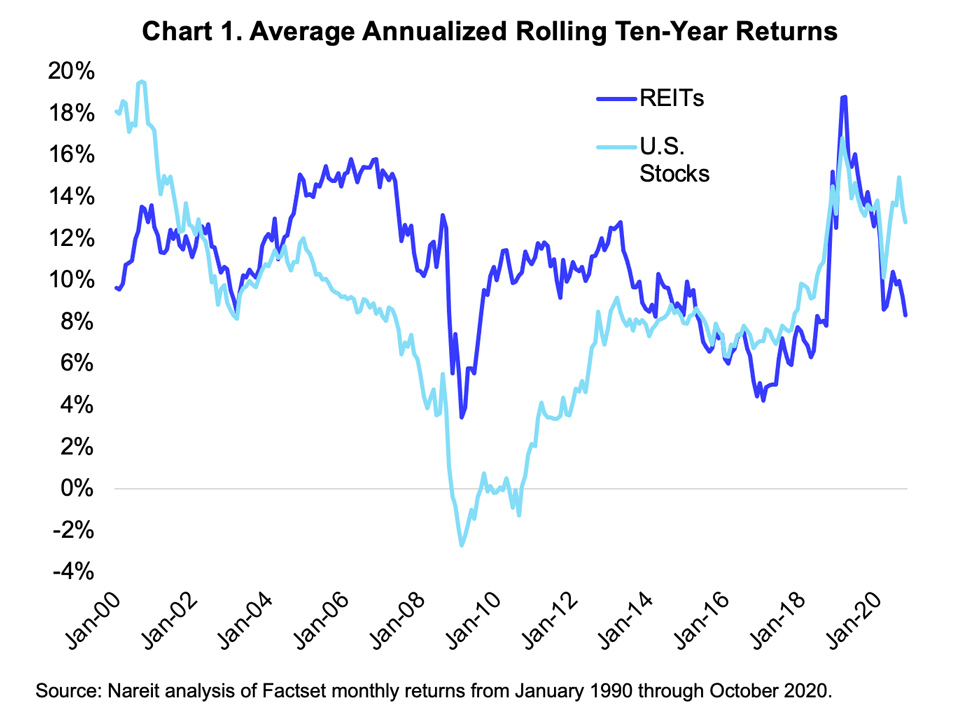

REIT ETFs bundle multiple REITs into one fund.
This spreads risk across sectors like:
- Residential
- Office
- Industrial
- Healthcare
For beginners, ETFs reduce single-company risk.
Typical long-term return ranges align with broader REIT performance.
3️⃣ Real Estate Crowdfunding

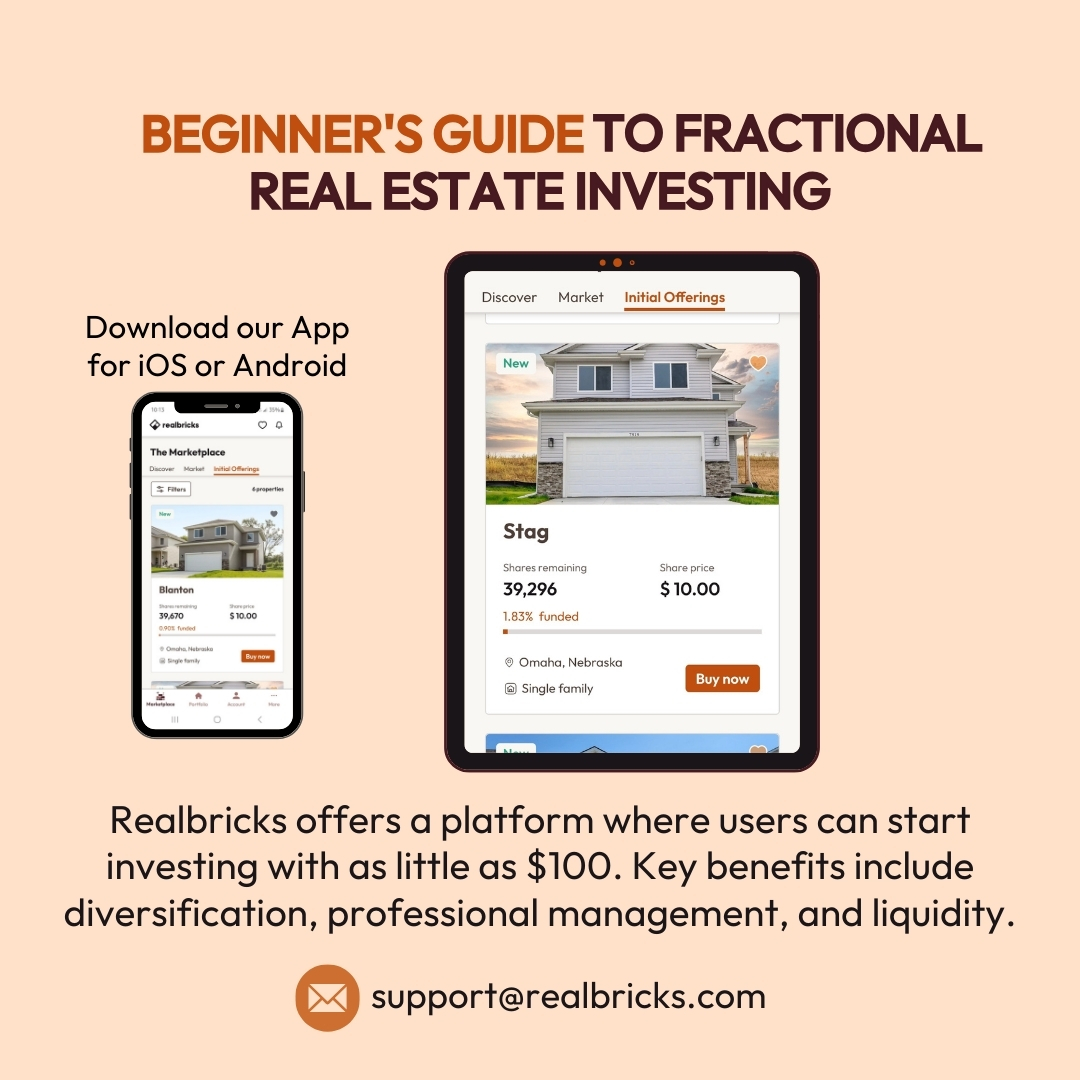
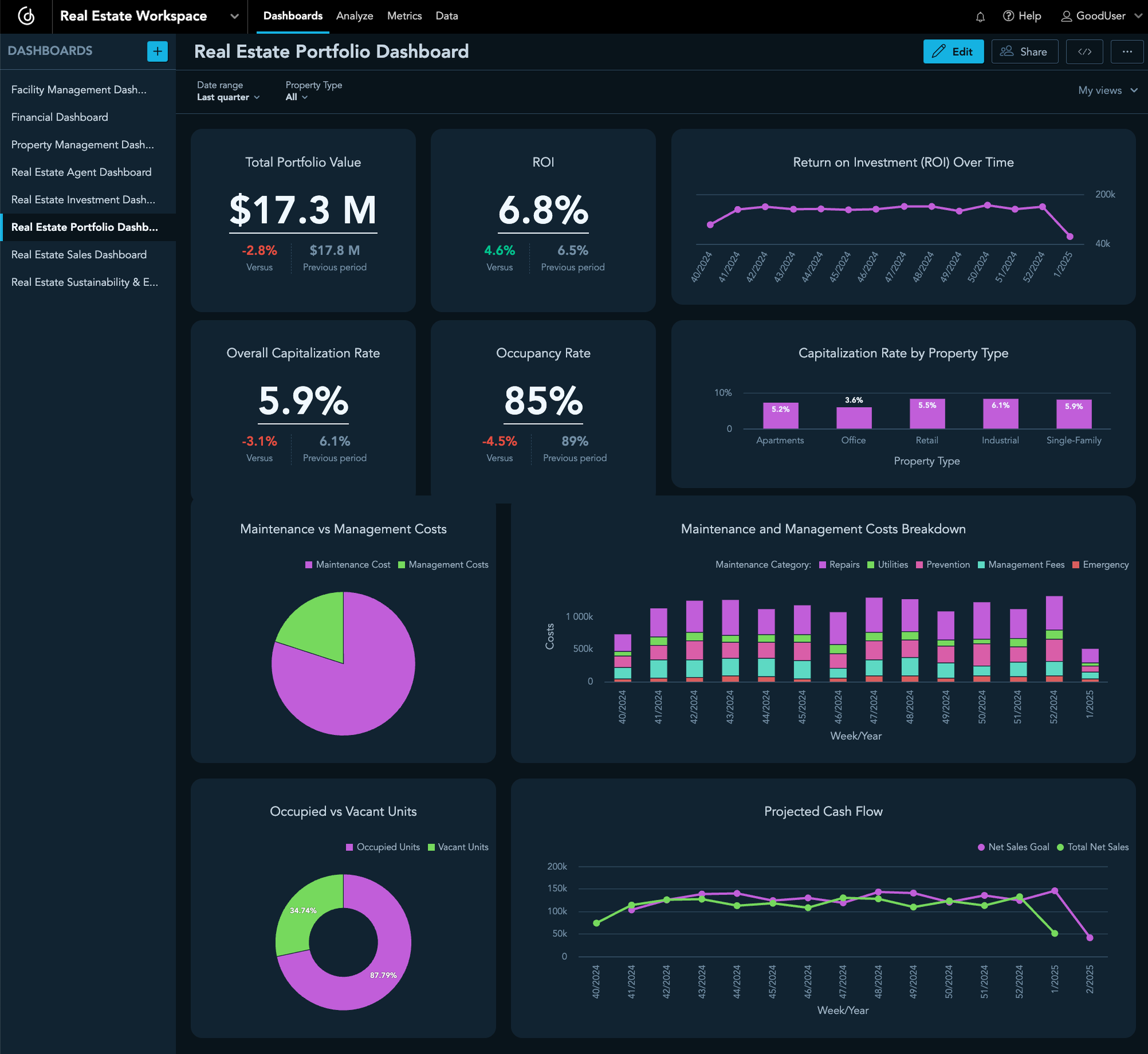
Crowdfunding platforms pool investor capital into:
- Rental homes
- Multifamily buildings
- Commercial projects
- Real estate-backed loans
Minimum investments can range from $10 to several thousand dollars depending on the platform.
Returns are typically presented as target ranges:
- Debt deals: ~7–12% target
- Equity deals: ~8–15% target
Important: These are projections, not guarantees.
Liquidity is limited compared to REITs.
Best for: Beginners willing to lock capital for higher potential yield.
4️⃣ Private Real Estate Funds
Private funds operate similarly to crowdfunding but often require higher minimum investments.
They may offer:
- Diversified portfolios
- Professional management
- Structured income distributions
Liquidity is limited.
5️⃣ Rental Property with Property Management

Owning rental property and hiring a property manager reduces active involvement.
However:
- Capital requirements are higher
- Maintenance risk remains
- Vacancy impacts cash flow
This is semi-passive rather than fully passive.
Comparing Beginner Options
| Method | Minimum Capital | Liquidity | Income Stability | Complexity |
|---|---|---|---|---|
| REIT ETF | Very Low | High | Moderate | Low |
| Individual REIT | Low | High | Moderate | Low |
| Crowdfunding Debt | Low–Moderate | Medium | Moderate | Medium |
| Crowdfunding Equity | Moderate | Low | Variable | Medium |
| Rental Property | High | Low | Variable | High |
What Returns Are Realistic in 2026?
While past performance doesn’t guarantee future results:
- Diversified REIT exposure: ~6–10% long-term historical averages
- Crowdfunding debt: ~7–12% target
- Equity crowdfunding: ~8–15% target
- Rental property ROI: depends on leverage, local market, and management
Higher returns generally mean higher risk or longer lockups.
A Beginner Strategy Example ($3,000 Starting Capital)
Instead of choosing one method:
- $1,500 into a diversified REIT ETF
- $1,000 into crowdfunding debt
- $500 reserved for future opportunities
This allows:
- Liquidity
- Diversification
- Income exposure
- Risk control
Common Beginner Mistakes
- Chasing the highest advertised yield
- Ignoring liquidity needs
- Overconcentrating in one deal
- Assuming passive means guaranteed
Real estate income fluctuates.
Diversification reduces — but does not eliminate — risk.
Final Thoughts
Passive real estate income is accessible to beginners in 2026.
You don’t need to own a building to participate.
But you do need:
- Clear expectations
- Risk awareness
- Diversification
- Patience
The goal isn’t instant cash flow.
It’s steady exposure to income-producing assets over time.
Start small.
Stay diversified.
Scale responsibly.
If you’d like next:
- Best passive real estate income under $1,000
- REIT vs crowdfunding beginner breakdown
- Canada-specific passive strategies
- Tax-efficient income structures
 3H LIFE - INVESTMENT & NOMAD
Leave a comment